Since the drama of people panic buying during Covid-19, my spending habits have changed. I make considered choices rather than be impulsive. I calculate what I need and what I will need. The difference is that I now plan for the future rather than merely focusing on immediate requirements. I've never panic bought anything. I hate it when people become feral, taking everything at the cost of those in need. You either become one of those people, or let's face it, already was, or choose humility. I choose to be respectful and not greedy.
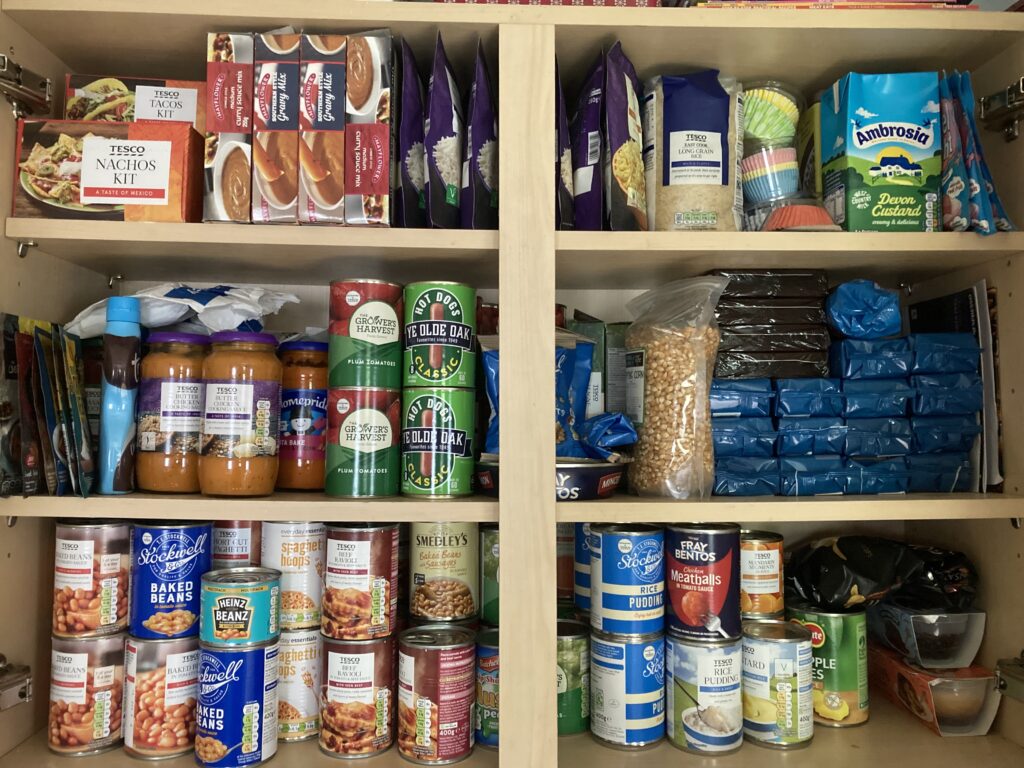
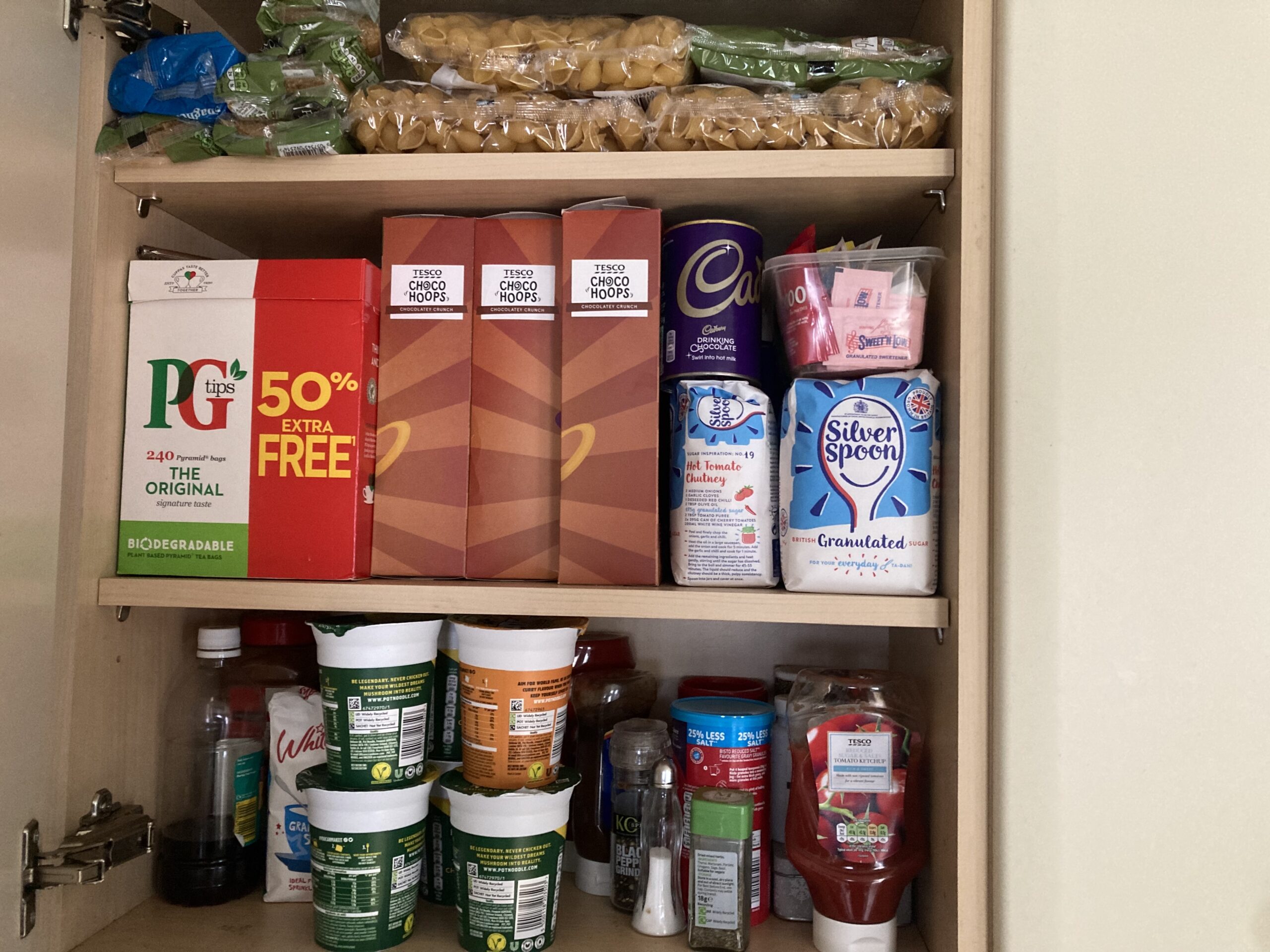
I buy more than I need now, but I'm not excessive. My shopping doesn't include multiple products, and I don't exhaust products from stores. However, I purchase items I regularly use, regardless of whether I'm running out of supplies. I used to watch in horror at my mum in the past. She continually buys household products, such as dishwasher tablets, soap, and laundry detergent, amassing incredible supplies. I thought she was crazy, but now I do similar but with essentials.
I often purchase store-branded products rather than popular labels. The difference in quality was vast in the past, but now it's similar. I always buy sugar, pasta, rice and bathroom products. My stockpiles increase, but the items aren't expensive; they're affordable. I never want to struggle to have what I need due to price increases or scarcity. It's essential to learn from experiences and prepare for the worst. Those who don't may find themselves with regrets from not learning from past circumstances.
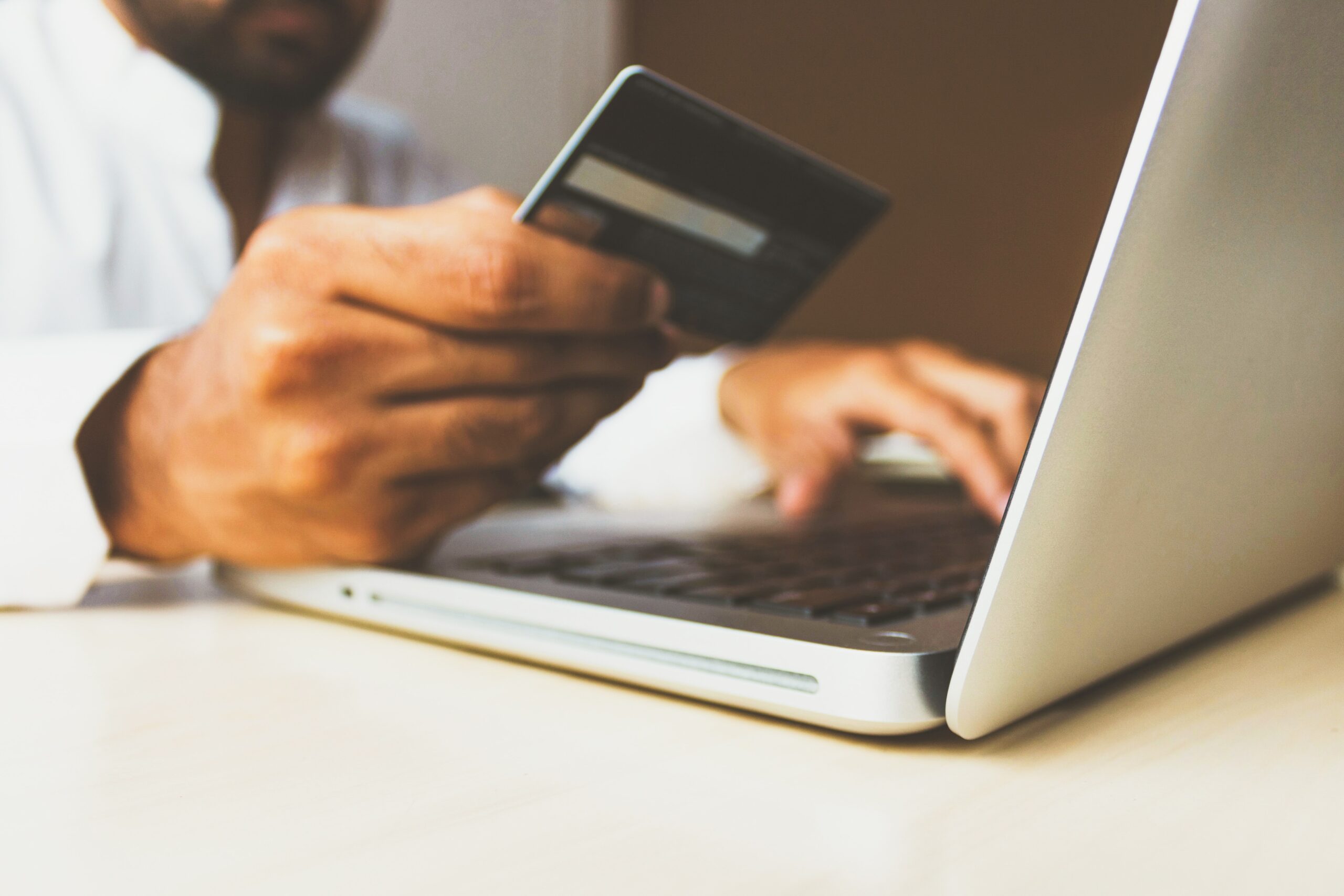
I used to shop in-store as I enjoyed browsing stock and selecting my shopping. In hindsight, I realised that often my decisions were impulsive, so I spent more than expected. Now I mainly do my shopping online and have it delivered, even though I have a car. In the UK, delivery fees range from free through Iceland and between £2 and £3 with Tesco. The trick with Tesco is to book a delivery slot before shopping, as you have 2-hours to finalise the order, and look into the 1-hour slots to see what's available but then switch the option to flexible, as you'll only be sent the window that's available anyway, thus saving a £1 or two.
Shopping online doesn't cost any more than going to the shop, and you don't lose significant portions of the day doing a mundane task. Also, regular purchases are easy to add to the basket, so shopping is made simple. Each shop processes orders differently. I tend to use Iceland and Tesco. Iceland takes immediate payment upon completing an order, whereas Tesco checks for available funds but doesn't withdraw money until the order's been picked and ready for delivery. Tesco allows unlimited changes until midnight the night before delivery.
The changes to the basket and order are where I make the most of online shopping. By the time my orders arrived, I had probably changed the items three or four times. I scrutinise each purchase and decide whether the money would be better spent or go further on something else. If I were to shop in-store, I wouldn't use wisdom but rely on impulse. I would buy everything I think that's needed and regret overspending.
By budgeting my money, I allow myself to live the lifestyle I choose. Too many people work insane hours and are miserable because they have to supply and fund an unbudgeted lifestyle. Taking control of our spending habits allows us to choose how we want to live and how much work we're prepared to do, as we don't need as much money as other people. That's not to say that working or spending money is bad, just that our decisions and behaviours affect more of our lives than many realise.