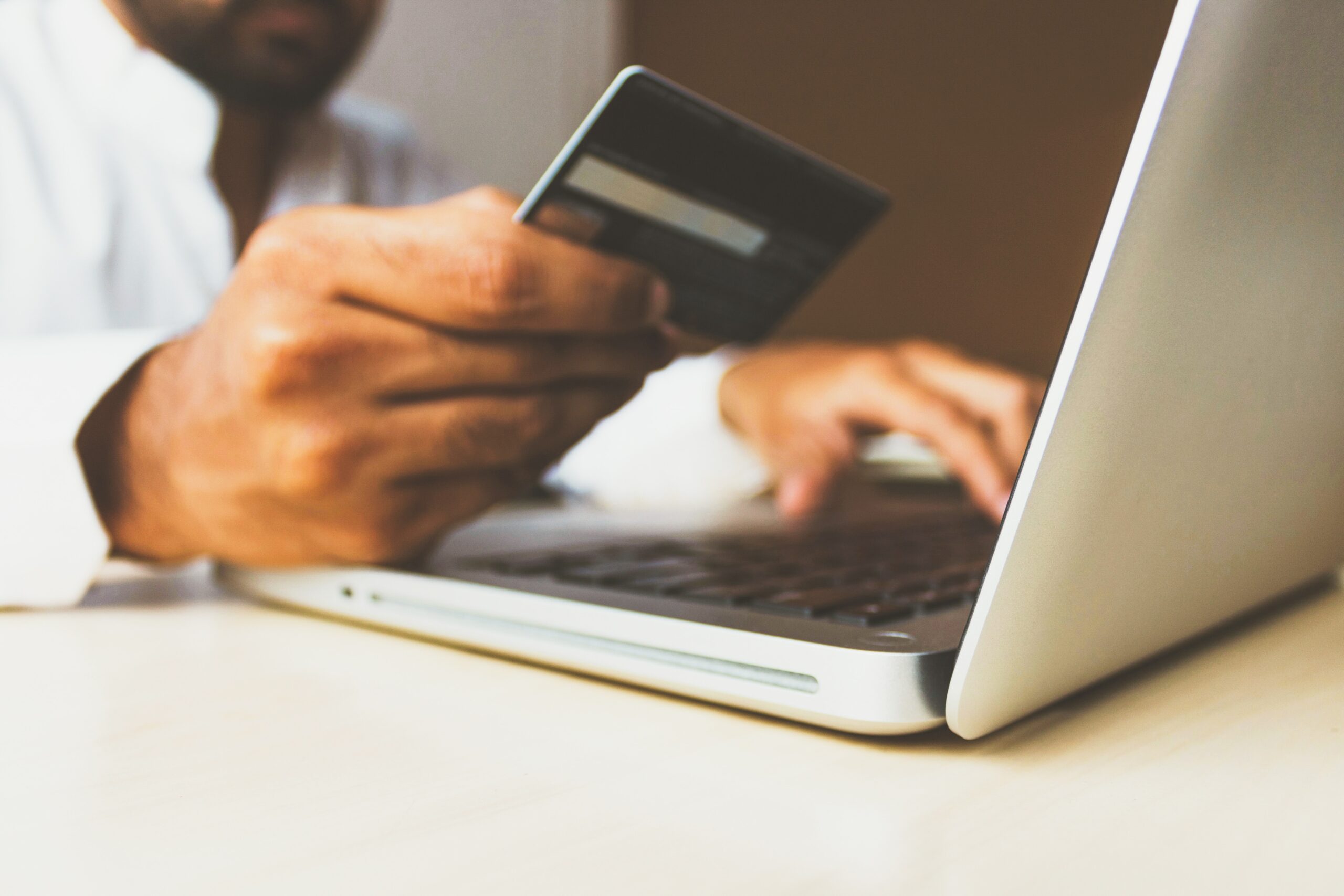
Most of us have an online presence, from websites to social media and emails. Whether we're aware of the digital footprint we leave behind is irrelevant. It happens, so it's up to us to consider and take action on what we share and how we share content.
Passwords
Many people, myself included, took a blase and reckless behaviour towards the passwords we created and used. Because it was simpler and easier, we used the same password everywhere, without the foresight to recognise that by doing so, we leave ourselves exposed to having everything we use online exposed. A single breach could easily compromise our accounts, profiles, and data.
Before data breaches, we thought we were safe, and the internet was secure. But, alas, now we know nothing can be taken for granted and that data is currency to advertisers, marketing and criminals. The least we can do is wisen up and take a few extra minutes to mitigate any damage by proactively creating new unique passwords for every online account we have, whether it be shopping, digital services, social media or any online account. Everything needs to be unique.
Taking the time to prepare can reduce a bigger headache later. By having unique passwords for everything, if a data breach occurs, although frustrating and negatively impacting, it's less severe than the risk of being exposed and losing everything.
Emails
Having a single email account is standard practice for most of us. After all, signing in and switching between accounts can be tiresome. Most of us, especially those from the late 90s to early 2000s, were accustomed to using the same email address for everything. There was never a data or email limit, so deleting anything wasn't a priority, so the build-up of unopened emails mounted.
In hindsight, having a single email account wasn't, and isn't wise. But, before spam became common, no one knew how exhausting subscribing to newsletters and joining websites would have for us, especially through email.
By having a single email account, we blend everything, making it challenging to sift through meaningful and important emails, lost between the limitless rubbish that sweeps into our inbox like a tidal wave of trash. In the past, it would be easy to unsubscribe to emails, but now with the ever-increasing threat of malware viruses, no one wants to click anything they aren't sure about.
I've had multiple email accounts, but it was done to create multiple online accounts for whatever reason, but not for a useful purpose. Most of us get attached to a main email account and keep it forever. After all, we want to keep any contacts we've gained and bring forward throughout our life, much like telephone contacts.
The problem with keeping and using old, ancient email addresses is that most are either compromised or the websites and accounts used to connect with the email address as a username are compromised. So, we leave ourselves exposed. After all, even if our website passwords are secure if an email account is compromised, most passwords could be reset. We need to recognise that our email accounts are our strongest defence for online security.
If we've been reckless and haphazard with emails and passwords, then now's the time to create strong, unique passwords and use 2-factor authenticators to double down on security. We can never protect ourselves enough, and nothing is guaranteed.
Multiple Email Accounts
I recently decided to create and migrate to multiple email accounts. My main personal email address was filled to full capacity. In the past, the email provider never had storage limits. Then suddenly, restrictions were implemented, and I struggled to keep up with the continuous influx of marketing emails while deleting as much as I could to maintain enough space to send and receive emails.
It dawned on me that I had been lazy with emails for too long and hadn't been wise in how I receive them. I now have multiple email accounts, with each focused on separate content, such as shopping, social media, gaming etc.
There are numerous benefits to creating multiple accounts for specific purposes, as emails to each account will have relevant content rather than an uncontrollable mix. I also created folders for every email to filter into, so everything is organised rather than an uncontrollable mess. Inboxes rarely become filled because they are spread across multiple accounts rather than consuming one. The biggest benefit is increased security.
Each email account has a unique address and password. If one email account, such as one dedicated to social media, were compromised, then I wouldn't need to worry about online shopping or gaming email accounts. I've limited the chances of chaos by taking active steps forward, and that does mean letting go of the familiar and embracing the new.
Hacking
In the past, I've had online accounts compromised, and possibly more accounts than I realise, as some things are dormant and unused. It's almost impossible to monitor everything, especially things we no longer use.
In one instance, I had my Spotify account hacked. The perpetrator had changed the email address associated with the account but was too lazy to change the password or had yet to get around to it. I contacted Spotify to inform them and begin an investigation but I also took matters into my own hands.
I received an email from Spotify notifying me of the email address change. After recovering from the feeling of dread and helplessness, I attempted to log back into my account, but to no avail. Why someone would want someone else's Spotify account is beyond me. It's hardly an expensive subscription, but there's always someone wanting something, so regardless of the whys and hows it's up to us to remain vigilant and protect our property at all costs.
I thought maybe my password could work with the hacker's email address. Thankfully it worked, and I regained access to my account. I immediately changed the password, but the scars were already seared into me. I recognised that Spotify, at least at the time, didn't use 2-factor authentication. So, accounts were easier to hack than other services. Regardless of how much I liked Spotify's interface, I swiftly switched to other, more secure providers. I didn't feel confident that another hacking situation of the Spotify service wouldn't happen again.
Often, only once we experience something negative do we take action to prevent similar things from occurring in future. But, we need to start thinking ahead at all times, not wandering aimlessly.
Pro-Active
Be smart with your online activity. Don't agree to sign up for every newsletter, and limit website tracking, as all of those cookies and trackers can mount up, and before long, we lose control of what others see and the digital footprints we leave behind. It's unnecessary for websites to track everything we do, and the last thing we want is to put ourselves at an increased risk of financial or online attacks.
Remember that everything we do online can remain available for anyone to see forever, so consider what you're doing and why you're doing it to limit any chance of future embarrassment or regret.