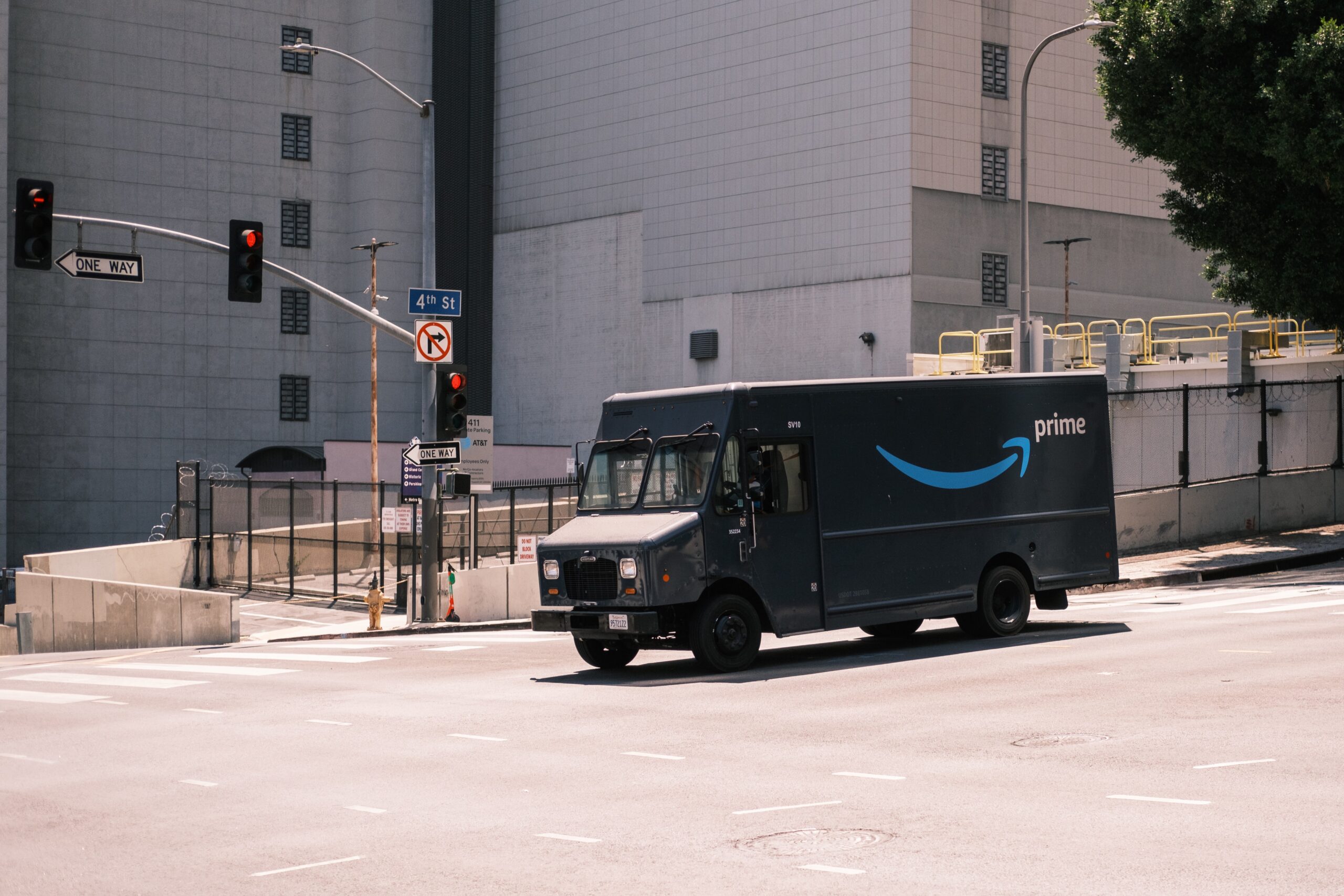
With Amazon, no matter how much work you process, it just keeps coming, like a tsunami of packages.
I have vast warehouse experience, including operating forklifts, but I've always been curious about Amazon, from their working conditions to processes. In most warehouses, I tend to notice areas they could improve by streamlining, better organisation and management. I took an agency position at a local Amazon delivery centre, where they process the deliveries rather than a fulfilment centre picking and packing. I hate packing; it's factory work inside a warehouse. People with no genuine understanding of the fundamental differences between factories and warehouses may consider every task similar; however, they are not.
Warehouses are physical, with workers processing deliveries, picking orders, and moving stock around manually or using various lifting equipment. Factory work is mundane and tedious, with workers stuck on processing lines doing repetitive tasks. I hate factory work. It would drive me to madness because if I'm not mentally stimulated by utilising intelligence, I need to do something physical to distract myself. If I were on a production line, I would walk out within minutes. The closest thing to factory work in a warehouse is packing, which I make clear that I won't do, as that's not for me. I understand the limits of what I can and can't do.
I've worked in warehouses for my adult life, so nothing fazes or surprises me. I gravitated toward them because I like working hard and surrounding myself with people of different backgrounds. I've worked in fast-paced warehouses with strict deadlines and other less target-driven places. As I get older, the target-focused set-ups annoy and irritate me. We're humans, not robots, but companies demand every ounce of your energy beyond what should be considered acceptable.
I'm a quick learner, so although the training and processes seemed complicated initially when it came to doing the tasks, it was simple, from stowing products to picking deliveries. It's beautiful in its simplicity. I've witnessed some chaotic places, and Amazon is the best from a distribution perspective. They have the process perfected of getting parcels into the warehouse to being ready for delivery. I won't divulge their inner workings of what makes them efficient. The system is remarkable and cutting edge that many places are far behind in comparison.
When I applied for the position at Amazon, it was for Monday to Friday; however, after going through the lengthy application process, the interviewer revealed that it would be Wednesday to Sunday. I don't like working weekends, preferring Monday to Friday positions. Losing every weekend was a notch against the job from the beginning. On my first day at Amazon, I had to start work at 5 am, which surprised me as at no stage throughout the application process did anyone explain the need to attend early.
Starting work at 6 am is early enough for most. 5 am was a difficult time to attend. The loss of an hour of sleep had me messed up. Getting to work so early required waking up around 3:30 am. For the entire day, I felt lost in a delirium trying to process everything. By the end of the shift, the 5 am start didn't make sense. I sat in a training room for thirty minutes, being given steel toe-cap boots and going through admin, showing my passport for ID, but then we waited in the canteen for the last thirty minutes as the 6 am staff arrived.
During my 6.5hr shift, from 6 am to 12:30 pm, the day was split with a 9.15 am 30-minute break in-between. The first three hours are insane with a gruelling workload! Amazon expects workers to stow 400 parcels per hour. I left the job after the first week because if there's no long-term view, there's no point in prolonging the suffering. Amazon operates on temporary contracts, and while fine for them, that doesn't interest me. While they didn't tell me, I and others were only hired in readiness for Prime Day in July, the early shift endings became obvious. I prefer more stability than a temporary position.
Amazon expects workers to pick 400 parcels per hour, which apparently is achievable. However, I have my doubts. I work hard, and I can be relentless when focused. With experience, processes become streamlined, so of course, through experience, maybe targets are achievable, but at what cost? On my first full day of work, I achieved 270 parcels per hour after the two days of training. To put things into perspective, though, I was exhausted. I looked at the time an hour into the shift, anticipating it to be nearly 9 am break time due to the volume I had processed, but it was only 7:10 am. The problem is you can work, work, and work, but all you're doing is digging, and digging but getting no closer to the end goal.
Expecting people to attain a target of 400 parcels is unhealthy and unfair. Yes, Amazon pays more than most local companies, but not substantially more, especially not enough difference to demand so much of every worker. My colleagues were exhausted and explained that they get pressured to perform. I'd only received positive praise. I impressed trainers and supervisors with high performance, especially early on. By contrast, the others I started with or who started a day before were underperforming and encouraged to increase their output, but they were hardly slacking. I never saw anyone being lazy, doing nothing or avoiding work. Some people move faster and are more efficient with completing tasks, but expecting more of someone trying their best and working hard isn't fair.
We must understand our limits, what we can do, and what we can't. Similarly, what we're prepared to accept and what we won't. I could achieve the required quota with some experience, but it's not worth it. Amazon has the work schedule down to a tee. It's perfection in distribution. Where I worked, they didn't need us for the last thirty minutes. We had to stay the extra time to make up for the unpaid break, which annoys me.
For a company to make incredible profits, not to pay for breaks is disgusting. It's becoming the norm nowadays, and people aren't waking up to the hours we lose that don't get paid. We wake up early, travel, work, have a break time, go back to work and travel home. Sometimes we nap after through the gruelling workload and daily demands of travel, yet it's only the period of actual work that gets paid. The rest we're expected to burden ourselves with for free. That's not just an Amazon problem but a societal problem. Workers should have options. For instance, sometimes I prefer to have no break and go home early. If breaks are unpaid, we should be free to decide whether we want to spend that extra time at work. After all, companies aren't paying us to be in attendance!
What other companies produce in eight or ten-hour shifts, Amazon manages to accomplish within six hours. For three hours, the focus is on stowing products. Deliveries arrive, and they get processed and ready for bulk picking after break time. After a break, the entire warehouse stops doing what they were doing, and everyone picks the orders, which is incredibly efficient. By noon, workers are often given the option to leave and lose the last 30 minutes as unpaid leave, which many do, but I chose to stay. If it weren't for the break I had, I would've gone home. Going to work and being paid for less than 6 hours would be a waste of time.
Finishing work by 12:30 is terrific, so the job is perfect for many workers. However, I would prefer to finish at 2 pm and not be exhausted. My body was aching after work, like drained, and while the extra time off was a bonus, it wasn't a productive time to enjoy but recover for the next brutal session. Through an Amazon work app, sometimes voluntary time off becomes available, and also overtime. Everyone reacts quickly to get accepted, and most aren't successful, as availability is limited. I managed to get a Sunday off but found myself hoping for more days off as relief, which I hadn't done in other jobs. That was a sign that working for Amazon wasn't for me. When you dread to return, hoping for a respite, something has to change.
Amazon works for some people and not for others. I can't say that it's the terrible place I had envisioned. For so long, I avoided an Amazon warehouse like the plague, but if I hadn't at least seen it for myself, then I would've remained intrigued with no answers. During training, I was shown the toilets and water stations, but at the same time, the performance statistics of workers get compared. For break times, a tea room is available to rest and recuperate with vending machines and free hot drinks.
Amazon isn't all doom and gloom and not as bad as perceived by many, but at nearly forty years old, I'm done being a human-robot. I've had that time in my life when I put my body on the line repeatedly. As I venture into the next phase, I embrace intelligence, utilising my mind. For a place like Amazon, that won't do. A wise mind can streamline a process and eliminate unnecessary hard graft by being efficient. However, with Amazon, no matter how much work you process, it just keeps coming, like a tsunami of packages.
The delivery processing centre I worked was friendly, with trainers and agency reps showing respect. They provided steel-toe capped boots, hi-vis jackets and gloves at no cost and, as I say, tend to pay wages higher than most. Where I worked, although hourly pay was good, the total weekly hours was only 30 hours, which resulted in less pay per week than a full-time position elsewhere. By the end of the week, one can't help but feel that it's better to seek employment somewhere that pays more per week and less physically demanding. There's working hard, and then there's destroying your body. We each have a choice of what we expect when we go to work and what we will or won't accept.
I commence study towards a BA (Hons) Arts and Humanities (Creative Writing) degree through The Open University in October. On the face of it, the working hours at Amazon would suit me perfectly. However, to be so exhausted would adversely affect my studies, which would be detrimental to my future potential and ability to attract better opportunities. I refuse to keep myself stuck in an Amazon warehouse with no potential for growth or opportunities or a temporary position with no stability.